What is a Kei?
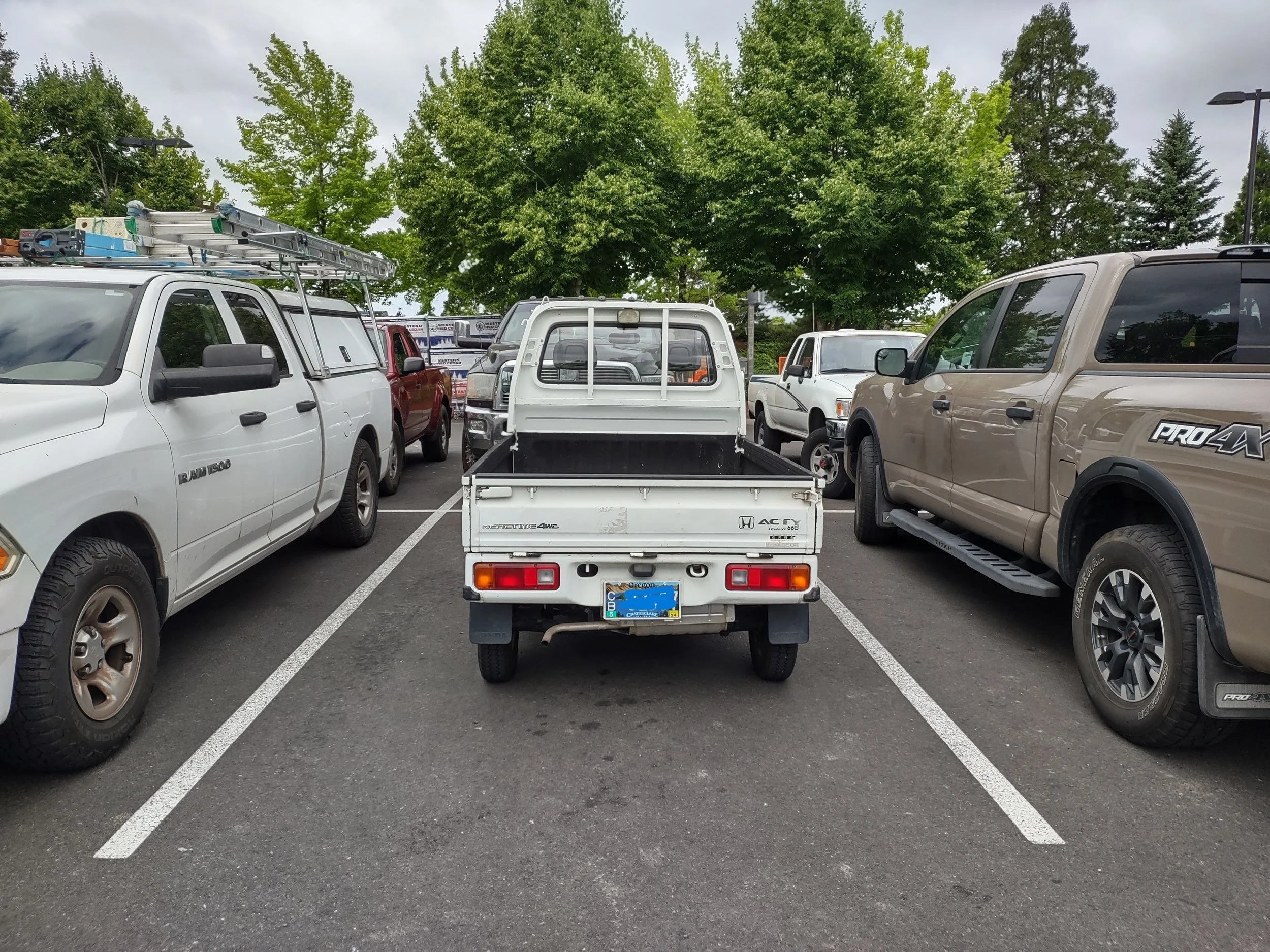
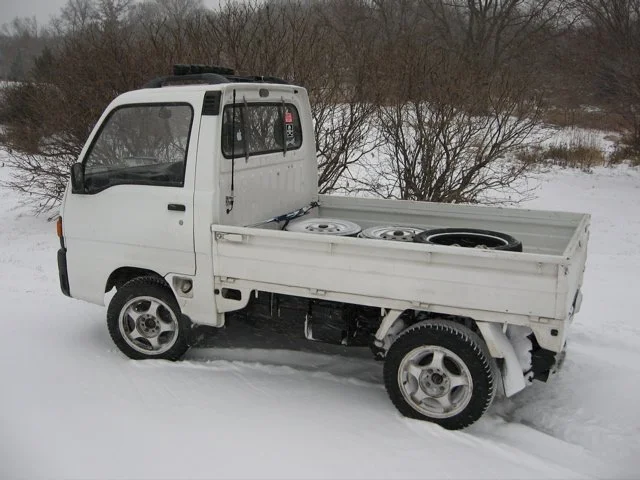
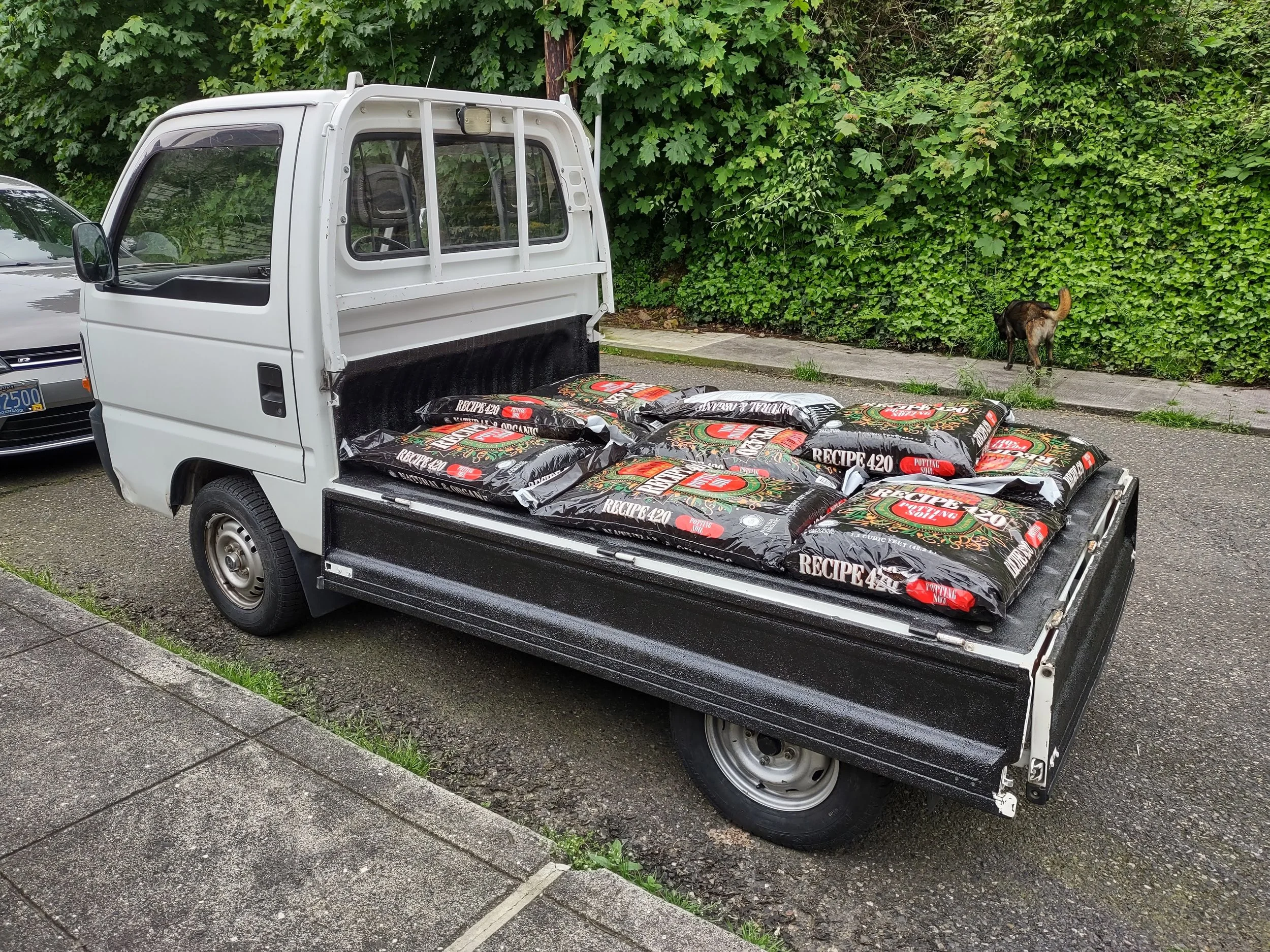
Kei (rhymes with “hey”) vehicles are Japan’s answer to the ultra-compact vehicle, similar to the EU’s A-Segment. Some common examples are the Honda Acty, Suzuki Carry, Daihatsu Hijet, Subaru Sambar and Mitsubishi Minicab.
Keis are limited in size (11.2 ft long x 4 ft 10.3 in. wide and 6 ft 6.7 in. tall) and engine size (660cc, maxing out at 63 hp), and in their home country they give their owners various tax and ownership benefits. But more than that, the trucks are the backbone of local commerce and agriculture. For small businesses, registering a fleet of kei vehicles significantly reduces annual automobile taxes, weight taxes, and insurance premiums compared to standard commercial vehicles. Their tiny footprints, exceptional fuel economy, and surprising hauling capacities make them indispensable tools throughout the country.
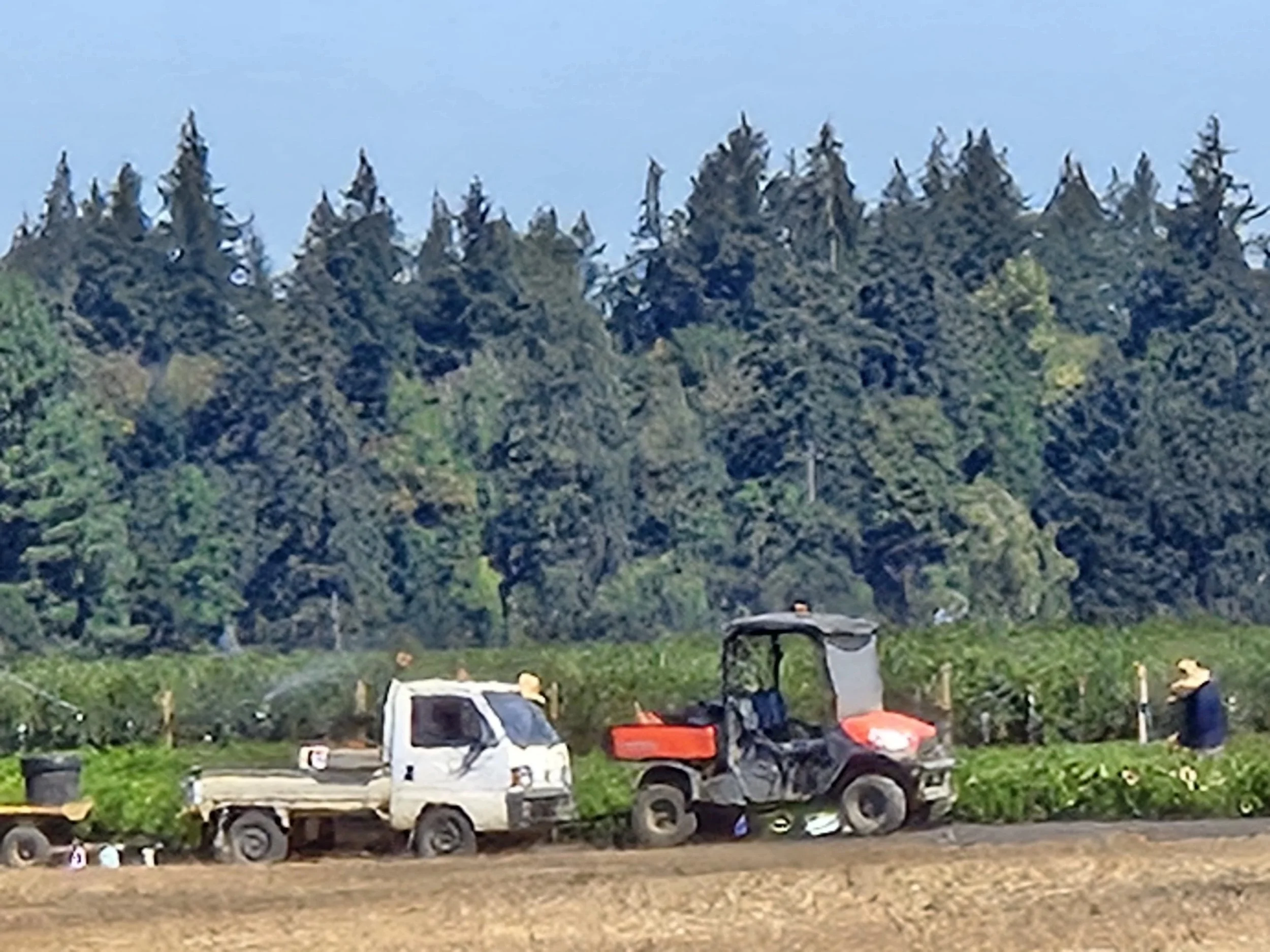
For Japan’s farmers, who are mostly small-scale family farms with terraced hillsides and tight rural plots where full-sized commercial trucks cannot fit, they allow them to
Navigate Narrow Paths
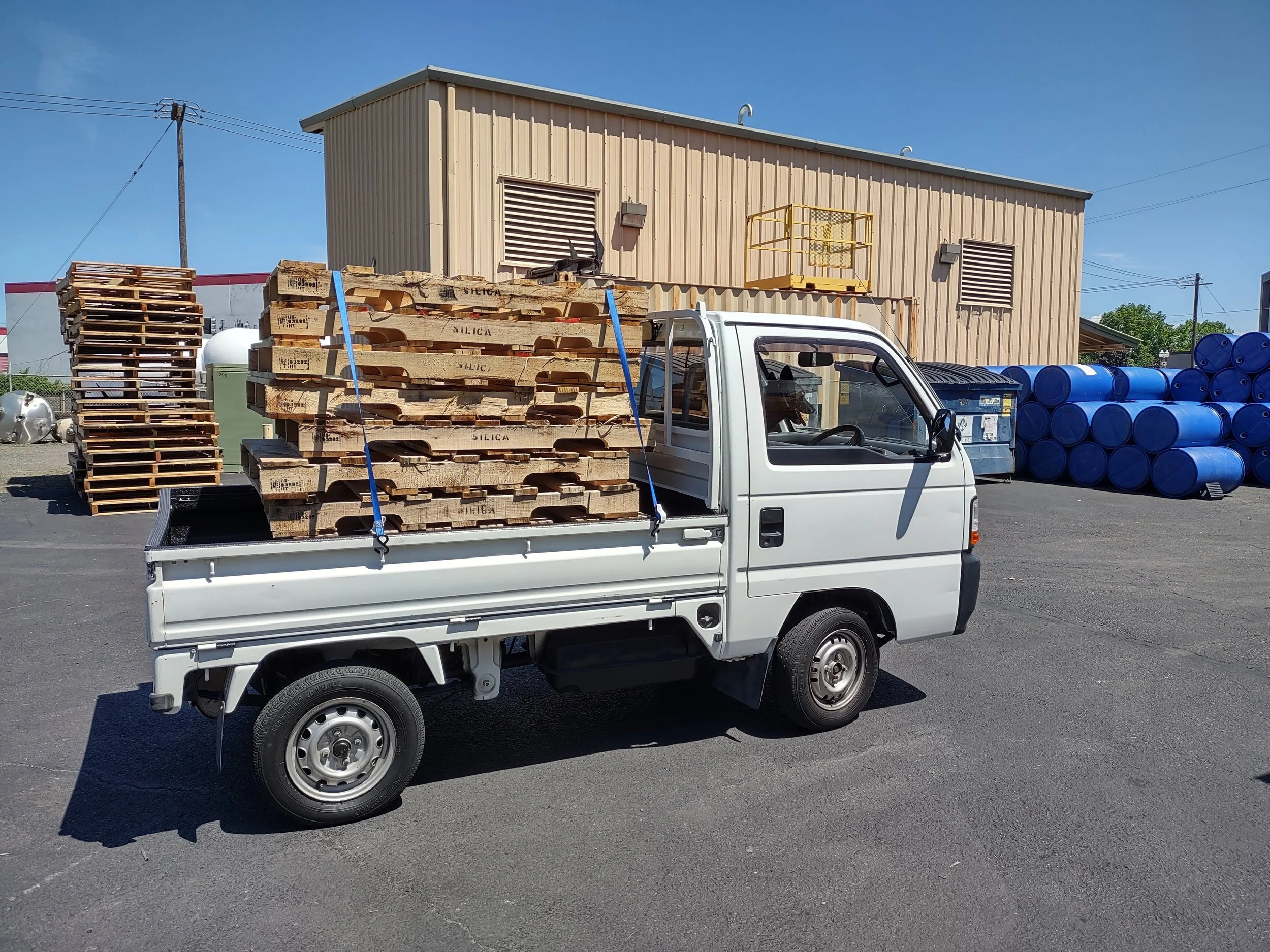
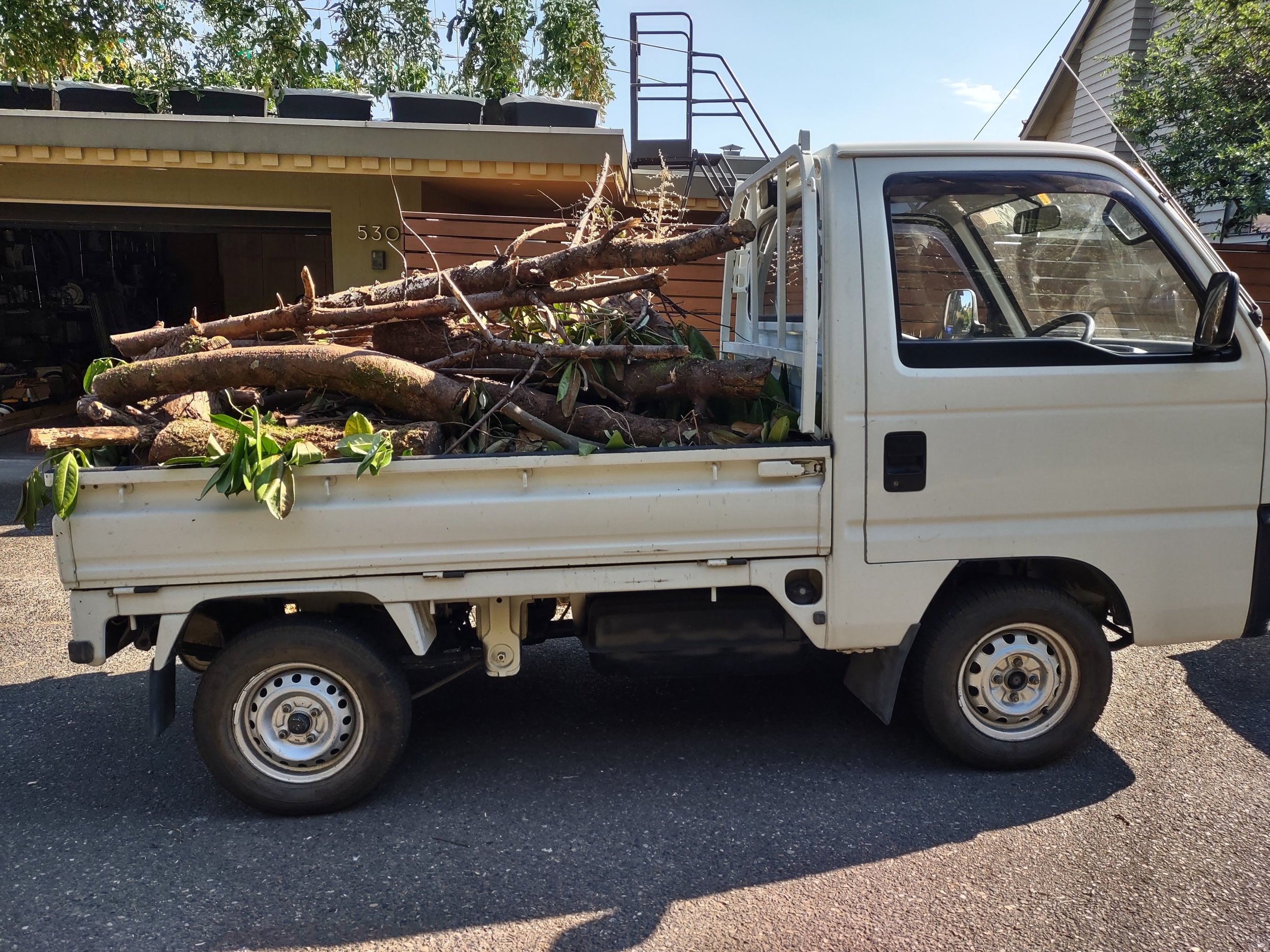
Take Advantage of Low Loading Height and the Fold-down Flatbeds when repeatedly loading and unloading heavy crates and sacks of product
Have 4WD and Specialized Terrain Options to climb steep, muddy mountain slopes and navigate slick, flooded paddy fields
Utilize Dump and Lift Beds
Likewise, Japan businesses rely on kei vehicles to solve the logistical challenges of high-density environments, such as
Deliveries where they need to park in minuscule alleyways, zip through dense traffic, and easily turn around in tight dead-ends where standard delivery trucks would get stuck
Mobile Shops and Food Trucks
Trade vehicles to haul tools into tight urban construction sites and use compact, cheaper "kei-only" parking spaces